







Search Results for: Imported Coffee Beans

An influencer coffee shop was penalized for using imported coffee beans of no lawful origin, drawing attention to food compliance issues in the coffee industry.
Recently, the Market Supervision Bureau of Yuecheng District, Shaoxing City, investigated and penalized a popular coffee shop. The shop was found using imported coffee beans without Chinese labels and could not provide proof of legal origin. It was also involved in selling coffee equipment without Chinese labels. Ultimately, it was fined 25,000 yuan and the related products were confiscated. This case reveals a common compliance risk in the procurement and use of coffee beans by specialty coffee shops: whether self-roasting or external procurement, coffee bean raw materials require corresponding food business or production licenses and product qualification inspection reports. As market supervision intensifies, coffee operators urgently need to self-check risks to ensure legal and compliant operations. [more…]
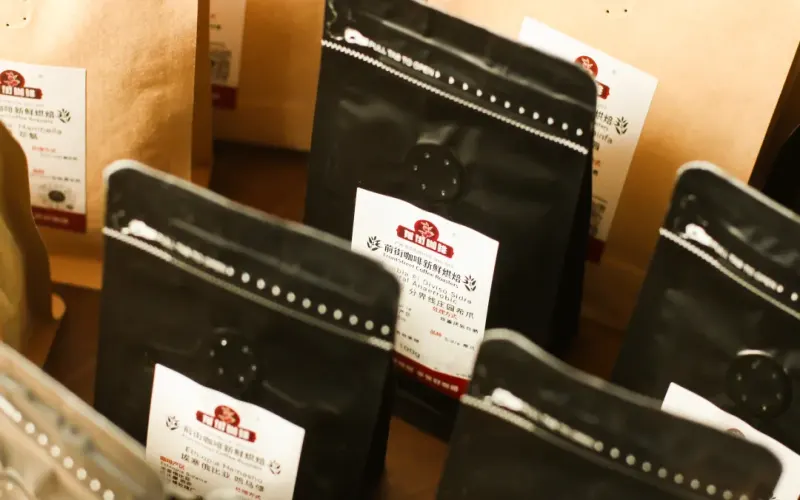
Imported Coffee vs. Domestic Coffee: Which Is Superior? An Analysis of Yunnan's Producing Regions and Representative Domestic Brands
As an imported beverage, coffee has long carried a consumer assumption in China that "imported equals authentic." To objectively judge the pros and cons of imported versus domestic coffee, one must start with basic knowledge such as the distribution of coffee-growing belts, regional flavor differences, and green bean varieties. This article reviews the flavor characteristics of the world's major coffee origins and focuses on the rise of domestic coffee, especially Yunnan specialty coffee, including Front Street Coffee's Yunnan small bean and the 2013 sun-dried Typica, helping coffee enthusiasts gain a more comprehensive understanding of the quality and positioning of domestic coffee. [more…]
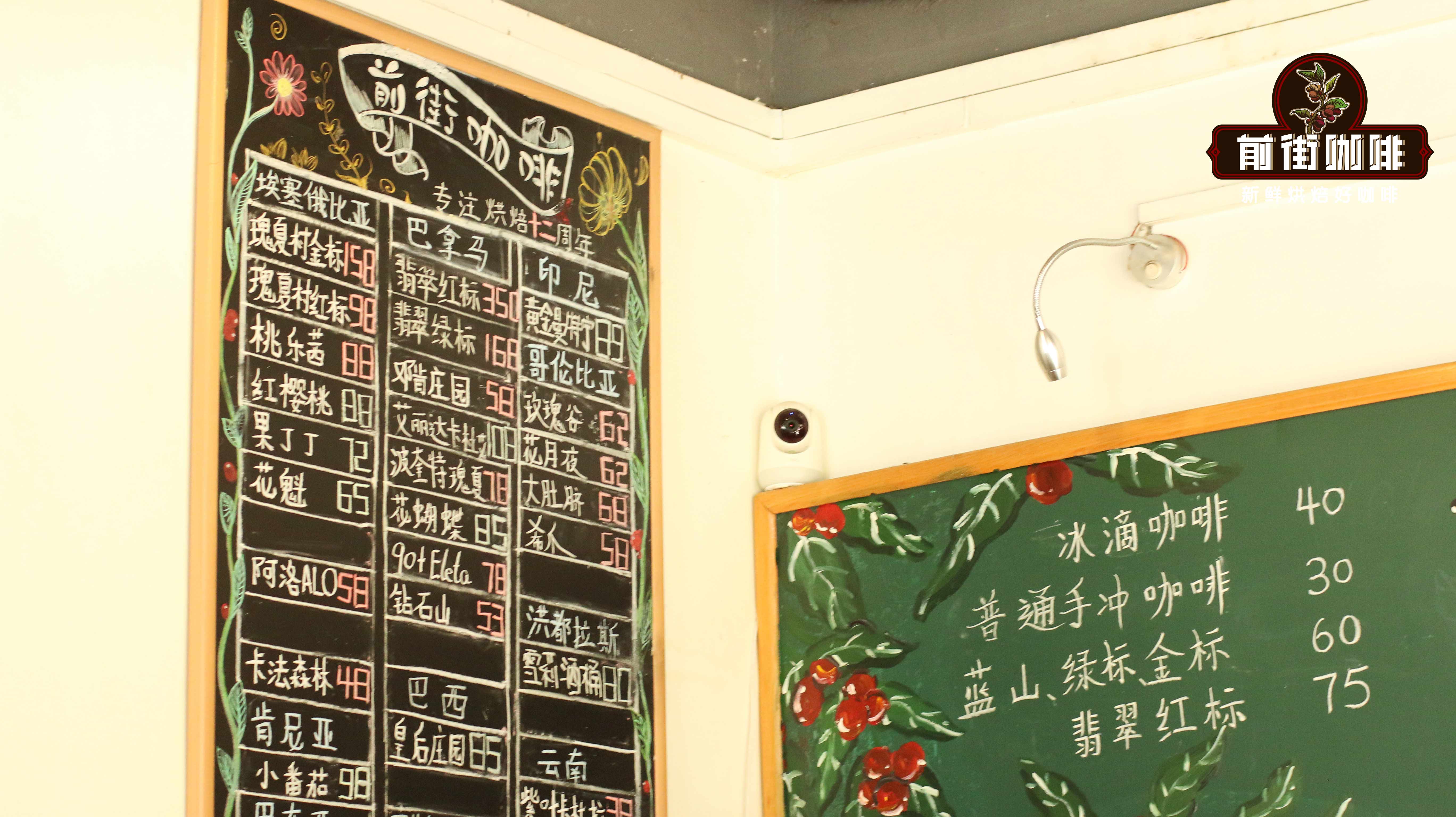
How to Choose an Imported Coffee Bean Brand? A Comprehensive Analysis of illy, Starbucks, Lavazza, and the Domestic Brand Front Street Coffee
When domestic coffee brands had yet to form a unified landscape, imported coffee beans still firmly held most of the market share. Faced with a dazzling array of brands, consumers often don't know where to start. This article does not discuss coffee bean varieties, nor does it cover instant coffee, but instead focuses on several of the most common excellent coffee bean and ground coffee brands in China, introducing their characteristics and positioning one by one. From Italy's national treasure brand illy, to global chain giant Starbucks, to Lavazza, known for its freshness-preserving technology, and to the highly recommended domestic Front Street Coffee, this will help you more clearly understand the tiers and advantages of these brands. [more…]
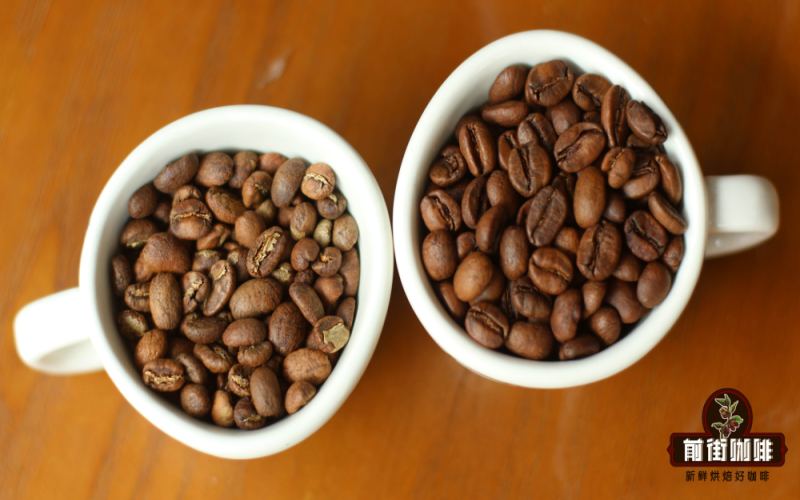
Floral and Fruity Pour-Over Coffee Beans Selection: A Guide to Popular Imported Single-Origin Recommendations
For coffee enthusiasts who prefer fruity acidity and floral aromas, light-to-medium roasted single-origin beans often deliver the most stunning taste experience. This article, from a practical tasting perspective, will walk you through several popular imported coffee beans with fruity and floral notes on the market, covering different styles such as citrus-floral, rich berry, and clear tea-like profiles. Whether you are a beginner just getting into pour-over or a veteran looking for an everyday staple, you will find the one that suits your taste. The article will also incorporate specific products from Front Street Coffee, offering targeted purchasing advice and flavor descriptions to help you lock in your ideal choice more efficiently. [more…]
A Brand Recommendation Guide for Buying Imported Pure Coffee Beans: Why Experts Prefer Small Bean Traders
Coffee, wine, and tea are all flavor foods, yet China's coffee bean production accounts for only about 1% of the global total, and most beans on the market are imported. If you just want to try brand-name beans with a sharing mindset, feel free to give them a try; but if you're giving them to someone who knows coffee, it's best to give up on shopping at large supermarkets. Whether espresso or single-origin, there is only one core principle when buying: fresh roasting. Beans from supermarkets or chain brands are often already months past their roast date, with their aroma severely lost—even nitrogen-flushing and other preservation techniques can't save them. In addition, if you can obtain information on variety, altitude, and processing method, and the more specific the origin, the more guaranteed the quality usually is. This article recommends several freshly roasted specialty coffee brands and explains why small bean merchants deserve more attention. [more…]
Front Street Ethiopia Natural Yirgacheffe Aricha G1: A Complete Guide to Imported Specialty Single-Origin Bean Roasting and Flavor
Yirgacheffe, as Ethiopia's most renowned specialty coffee region, has its G1 grade beans favored by home coffee enthusiasts for their cleanliness and flavor complexity. This article centers on Front Street's Ethiopia Natural Yirgacheffe Aricha G1 imported specialty single-origin roast, first sorting through the selection logic between the two major processing methods—washed and natural—then delving into the harvesting and natural processing techniques at the Kebel Aricha processing station, and analyzing the quality assurance behind the ECX G1 rating. The article also presents a complete flavor description of this bean and introduces how the Project Origin green bean sourcing initiative launched by Sasa Sestic directly supports farmers by paying 20% above fair trade prices. Whether you are a washed-method fan who prefers jasmine green tea notes, or a natural-method fan who loves intense fruit aromas and a slight fermented feel, you can find a daily staple that suits you. [more…]
Yunnan Small-Bean Coffee: Origin Layout and Flavor Analysis—A Panoramic View from Historical Roots to International Standing
Yunnan, as China's core coffee-producing region, accounts for over 95% of the nation's output, yet it has long lacked a voice in the international market. This article begins with the varietal origins of small-bean coffee, tracing its historical path through Ethiopia and the Arabian Peninsula before finally reaching Yunnan, and reviews key milestones such as Zhukula Village, the trial planting in Lujiangba, and Nestlé's introduction of Catimor. At the same time, it confronts domestic consumers' stereotypes about Yunnan coffee—the burnt, bitter taste and artificial flavoring of the instant-coffee era—and analyzes Yunnan coffee's awkward position of being undercut by more than 20 cents in international trade. In fact, the quality of Yunnan coffee is no longer inferior to imported beans of the same grade, and a large amount of "imported coffee" is actually Yunnan green beans exported, labeled abroad, and then sold back. The article calls for setting aside prejudices born of low-quality instant coffee and rediscovering the true flavor and value of domestically grown coffee. [more…]
An Analysis of the Market Price of Authentic Jamaica Blue Mountain No. 1 Coffee Beans and a Reference Guide to Imported Brand Prices
Blue Mountain coffee, as the starting point for many people's introduction to specialty coffee, has long been regarded as synonymous with high-end coffee. However, after the Jamaican government abolished Japan's priority purchasing rights in 2012, the international market price of Blue Mountain coffee is no longer prohibitively high. This article will systematically review the producing region characteristics, grading standards, varieties, and processing methods of Blue Mountain coffee, and, combined with the import examples of FrontStreet Coffee, analyze the real selling price and brewing suggestions of authentic Blue Mountain No. 1 coffee beans, helping coffee enthusiasts establish a clear understanding of pricing and a reference for purchasing. [more…]
Imported Hand Grinder Coffee Beans Recommendations | How Do the Requirements for Coffee Beans Differ Between Pour-Over and Espresso? Which Specialty Coffee Beans Are Tasty, Affordable, and Perfect for Beginners?
1. What coffee beans should be used for pour-over coffee? Coffee beans fall into two categories: single-origin and blended. Single-origin coffee beans and blended coffee are suited to different coffee-making devices. To break it down systematically, single-origin coffee beans are suitable for the filtered pour-over brewing method, while blended coffee beans are suitable for pressurized [more…]
Coffee Bean Recommendations for Moka Pot with Milk: How to Choose Between Imported Single-Origin and Espresso Blends
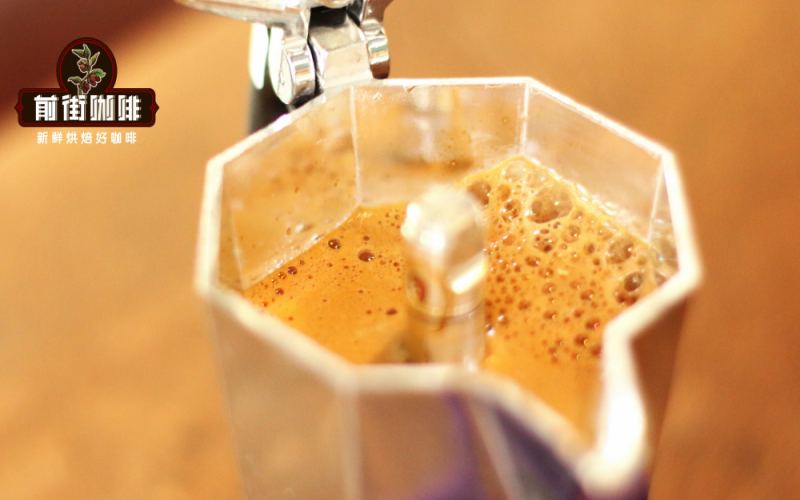
The Moka pot uses pressure extraction to produce a highly concentrated black coffee, so many enthusiasts habitually add milk when drinking it to make a simple version of a latte. So how the coffee from a Moka pot tastes after adding milk depends on the choice of coffee beans. Based on different taste preferences, this article outlines three approaches to choosing beans: those who prefer a rich, non-acidic taste can choose a medium-dark or dark roast espresso blend; those who like prominent flavor with lower bitterness are suited to a medium roast blend; and for those seeking distinctive aromas, a light roast single-origin SOE is also a good choice. The article also provides recommended mixing ratios of Moka pot coffee to milk, helping you easily make a smooth cup of Moka pot milk coffee at home. [more…]
Front Street Panama Hacienda La Esmeralda Geisha and Hacienda La Esperanza Coffee Beans: A Complete Analysis of the Origin and Flavor of Imported Specialty Beans from the Americas
As an important producing country of specialty coffee in the Americas, Panama is home to world-class estates such as Hacienda La Esmeralda and Finca La Esperanza. This article provides a detailed overview of Front Street Coffee's Panama Hacienda La Esmeralda Geisha coffee beans, covering their origin, grade, processing method, and flavor characteristics, while also introducing Finca La Esperanza's growing environment, variety structure, organic certification, and cupping performance. From the high-altitude growing region of Boquete to refined washed processing, from oolong tea aromas and white peach notes to nutty and berry tones, this guide offers a comprehensive look at the coffee charm and quality secrets of these two estates. [more…]
2025 Imported Roasted Coffee Bean Price Overview: How Much Per Catty for Front Street Coffee's New-Crop Single-Origin Beans?
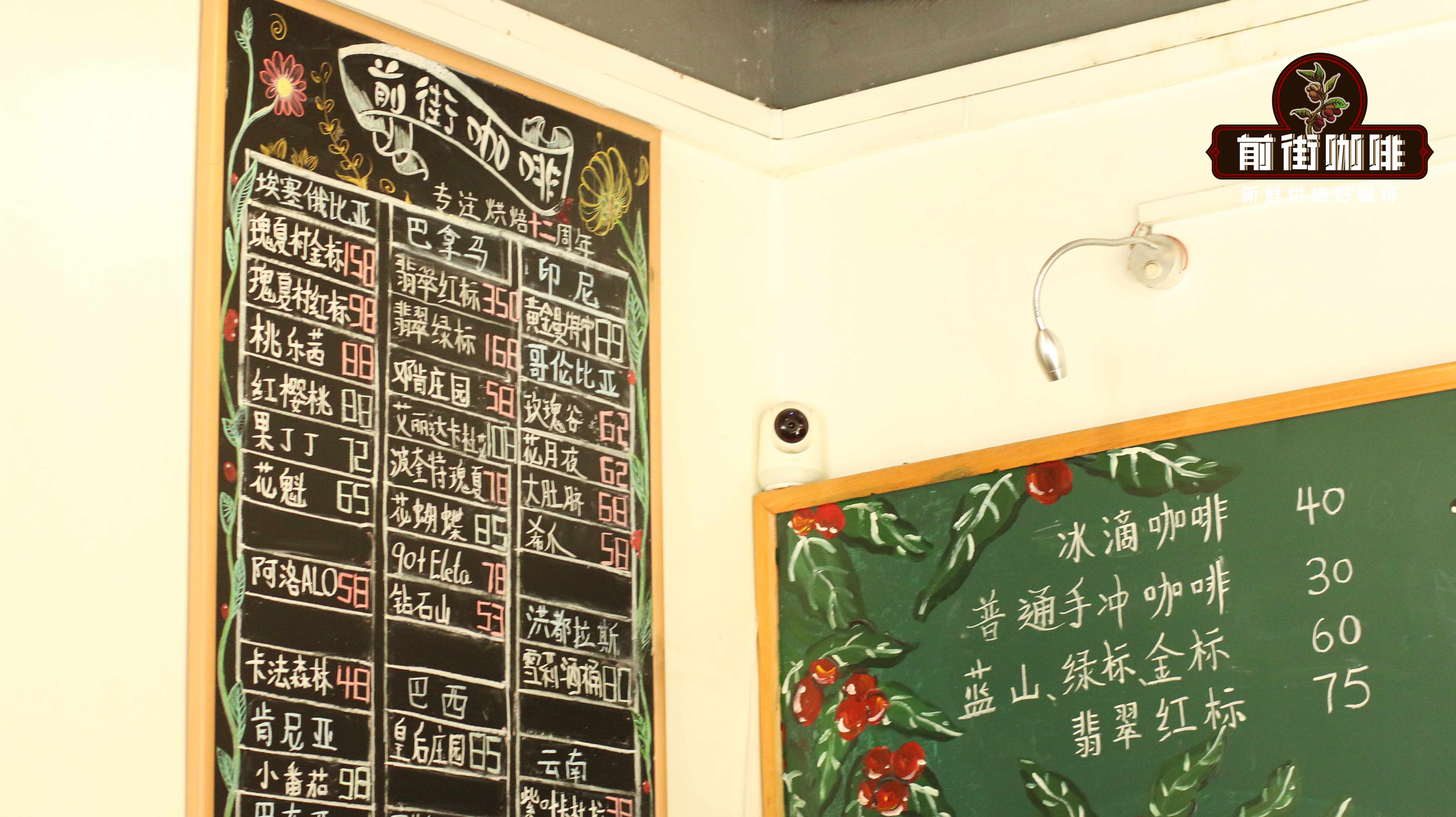
The 2025 new-crop bean list from Front Street Coffee has been officially released. Every year, the bean-sourcing team tests over 300 sample lots, and in the end only about 50 make it onto the shelves—a clear sign of just how strict the selection criteria are. This article compiles the latest prices for the entire lineup of imported roasted coffee beans currently on sale this season at Front Street, covering classic representative beans from major producing regions such as Ethiopia, Kenya, Papua New Guinea, Indonesia, Jamaica, Hawaii, Panama, Costa Rica, and Colombia. From COE auction-winning beans to everyday washed Yirgacheffe, from Blue Mountain No. 1 to Hacienda La Esmeralda Geisha, each one is labeled with its origin, processing method, and flavor description, making it easy for coffee lovers to choose according to their needs. [more…]
Blue Mountain Coffee Bean Price Range and Pour-Over Steps Explained: From Market Trends to Siphon Pot Operation Guide
How much exactly does a pound of Blue Mountain coffee beans cost? On the market, prices range from a few dozen yuan to over a thousand yuan, reflecting multiple factors such as origin, grade, and tariffs. This article reviews the price trends of Blue Mountain coffee beans and compiles reference prices for coffee beans across different sales channels. It also provides a detailed introduction to Front Street Coffee's Blue Mountain brewing methods, including specific step-by-step instructions for the French press and siphon pot, helping coffee enthusiasts extract a Blue Mountain coffee with pristine flavors and rich layers at home. [more…]

Recommended Hand-Brewed Imported Coffee Beans: Indonesian Mandheling Flavor Analysis and Front Street's Guide to Brewing Four Major Mandheling Coffees
Mandheling is the representative of Indonesian coffee and a classic choice for pour-over enthusiasts seeking a rich, full-bodied taste. This article begins with the history of coffee cultivation in Indonesia, traces the origin of the name Mandheling and the screening standards for PWN Golden Mandheling, and introduces one by one the four Mandheling coffees sold by Front Street Coffee—Golden, Tiger, Aged, and Lintong. It also explains how Indonesia's unique wet-hulling method shapes Mandheling's signature herbal and earthy flavors, and finally includes the pour-over parameters and staged extraction steps provided by Front Street to help you brew a clean, sweet-aftertaste cup of Mandheling at home. [more…]
Understanding Coffee Bean Grading Standards Through Blue Mountain Coffee: Screen Size, Barrel Packaging, and Export Regulations Explained
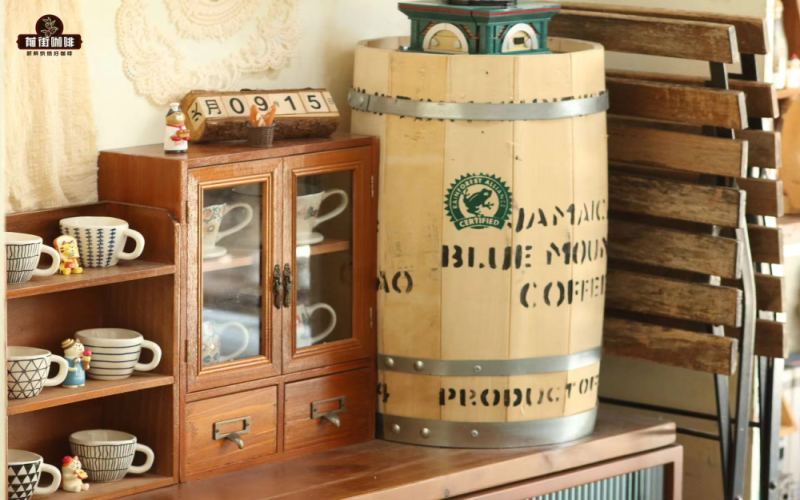
Jamaican Blue Mountain coffee is globally recognized as one of the top coffees, but do you know how it is graded? This article will guide you through the basis for grading Blue Mountain coffee—screen size—and the strict cupping confirmation process. From No. 1 to No. 3, coffee beans of different screen sizes show no difference in taste, but there is a distinction between wooden barrels and burlap sacks for green bean packaging. Barrel-packed Blue Mountain coffee also comes with a certificate of origin, and the barrel is printed with information about the estate and importer. In addition, the Jamaican government has clear regulations on the export of defective beans and coffee beans with taste issues. Front Street Coffee reminds you that understanding this grading knowledge helps in identifying authentic Blue Mountain coffee. [more…]
A Comprehensive Interpretation of Jamaican Blue Mountain Coffee Grading Standards and the Flavor Characteristics of No. 1 Beans
Blue Mountain Coffee, as a representative of the world's top specialty coffee, has always attracted attention for its strict grading system and origin protection measures. Jamaican law stipulates that only coffee produced in the Blue Mountain region can bear the name Blue Mountain, and high-grade Blue Mountain Coffee is further divided into three grades: No. 1, No. 2, and No. 3. These grades of green beans show no difference in taste, only in size, but export packaging and certification documents are strictly regulated. This article will provide a detailed analysis of Blue Mountain Coffee's grade classification, barrel export system, certificate of origin, and the roasting and export requirements for different grades of coffee, helping coffee enthusiasts gain a comprehensive understanding of the unique characteristics of Blue Mountain Coffee. Front Street Coffee will also recommend Blue Mountain Coffee products worth tasting for you. [more…]
2026 Home Coffee Bean Brand Guide: What Tier Is illy? How Does It Compare to Starbucks?
The domestic coffee market has yet to see a universally recognized leading brand, and imported coffee beans still hold the majority share. The sheer variety of choices makes it all the more difficult to decide. This article sets aside the topics of coffee bean varieties and instant products, and focuses instead on the four most common quality coffee bean and ground coffee brands in China: the veteran roaster Front Street Coffee, Italy's national treasure brand illy, the global chain giant Starbucks, and Lavazza, known for its vacuum packaging technology. It will go through each brand's historical background, market performance, and product characteristics one by one, and include recommendations for Front Street beans worth buying, offering a practical reference for those currently choosing coffee beans for home use. [more…]
Why is Yunnan coffee called "small bean"? Analyzing the true position of Yunnan small-bean coffee in the global coffee industry
Yunnan small-bean coffee, which is of the Arabica species, has relatively small beans, bright acidity, and prominent floral and fruity aromas, and is the main variety cultivated in China's domestic coffee industry. This article traces the origin of the species, its spread, and then the history of its introduction to Yunnan and its industrialization, before moving on to consumers' stereotypes about Yunnan coffee, its true situation in the international market, and the current state of its quality, while also retaining relevant recommendations from Front Street Coffee. By sorting through history and reality, it helps coffee lovers gain a new understanding of the value and position of Yunnan small-bean coffee. [more…]
Can freshly roasted coffee beans be drunk immediately? Analyzing the necessity of resting beans and the optimal time to enjoy them.
Many coffee lovers believe that the fresher the coffee beans, the better, and some even can't wait to brew them straight out of the roaster. But is that really true? This article begins with the development of the domestic coffee market, reviewing the freshness dilemma of the past when people relied on imported beans, as well as the pursuit of coffee bean freshness after the rise of local roasting today. We will explore whether freshly roasted coffee beans are in their optimal drinking state, why beans need to be rested, and how to determine the appropriate flavor window. Whether you are a beginner just starting out or a connoisseur chasing the ultimate flavor, understanding the principles of resting beans can help you better enjoy a good cup of coffee. Front Street Coffee will also provide you with practical advice. [more…]
Home Coffee Bean Brand Ranking | What Tier Does illy Coffee Beans Belong To? Which Coffee Bean Brands Do Seasoned Coffee Lovers Recommend?
While domestic coffee brands are still in a leaderless situation, imported coffee beans still occupy the vast majority of the market. But faced with numerous coffee brands, which one to choose has become a troubling matter for everyone. This article does not discuss coffee bean varieties, nor instant coffee, but only seeks to understand the most common excellent coffee beans in China, [more…]